
.jpg "Hubspot-and-Netsuite-Image-Integration (1)")
Every NetSuite environment is configured differently, and no two businesses use HubSpot in exactly the same way. That’s why off-the-shelf integrations, including the native HubSpot–NetSuite connector, rarely deliver what’s needed.
We take a consulting-led approach. Our team works with you to understand your specific NetSuite configuration, financial processes, and the data flows that matter most to your business. We then design and build a tailored integration using our Integration Glue Framework, ensuring a clean, scalable, and reliable connection between HubSpot and NetSuite.
The result: your teams get access to the right data in the right place, without manual entry, duplication, or compromise.
Common Use Cases
- Consolidating daily operations in HubSpot: move sales lifecycle management, quoting, and deal progression into HubSpot’s user-friendly workspace, while maintaining financial integrity in NetSuite.
- Seamless two-way syncing: finance can continue handling billing and bookkeeping in NetSuite, while sales and delivery teams operate in HubSpot — with changes synchronised across both systems.
- Streamlined lead-to-sale workflow: automatically create transactional records such as sales orders and invoices in NetSuite when deals close in HubSpot, enabling a smooth transition from lead generation to revenue recognition.
- Enhanced user experience and reduced licensing costs: most users can work entirely in HubSpot without needing NetSuite access, improving adoption and reducing unnecessary ERP licence spend.
The result: your teams stay aligned across the full lead-to-cash lifecycle, with a single operational flow from sales activity through finance and billing, all without forcing everyone into NetSuite.
Gotchas, Challenges & Limitations

API Concurrency Limits
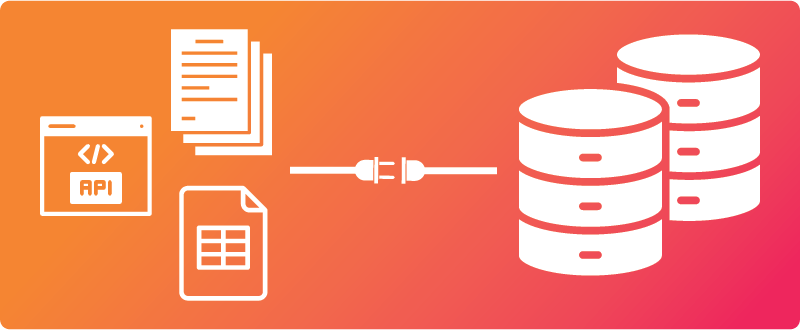
NetSuite imposes strict concurrency limits on its API, which can significantly slow down processing. Large updates (e.g., 100,000+ records) can take considerable time to complete.
Limited Webhook Support
NetSuite offers limited webhook capability, making real-time syncing difficult. This often requires scheduled jobs to check for updates since the last run.
Inconsistent API Behaviour
NetSuite’s API can behave unpredictably:
- addresses may only be created, not updated
- vague or unhelpful error responses
- inconsistent support across endpoints
-1.png "63e0d3f993118c53c513935a_unnamed (70)-1")

Access Token Expiry
Access tokens can expire earlier than expected, causing unexpected failures if not proactively monitored.
Integration Options
Integrating HubSpot with ClickUp is not a one-size-fits-all exercise. Each business has unique processes, automation needs, and data flows. With years of experience delivering complex HubSpot and project management integrations, we know how to design solutions that work reliably at scale.
iPaaS & Automation Tools
iPaaS platforms and automation tools often look like the “quick fix.” In reality, they come with challenges:
- Expensive: subscription costs add up quickly, especially when additional connectors or higher usage tiers are required.
- Constrained: many iPaaS platforms cannot handle NetSuite’s multi-object relationships, transactional data structures, or complex financial workflows.
- Outdated: limited or delayed support for newer NetSuite APIs and endpoints often prevents full coverage of required functionality.
- Risky: builds can hit tool limitations mid-project, causing delays, scope pivots, or forcing manual workarounds to keep systems running.
We’re happy to support other platforms, but because they often introduce limitations or unexpected roadblocks, we can’t provide fixed-price quotes or guaranteed timelines. For this reason, we strongly recommend locking in your integration scope, timeline, and delivery date before starting other parts of your project.
If you do choose a different tool, our HubSpot integration experts can still support you on a consulting basis, with blocks of hours available to guide your team through implementation.
.jpg "250820_Hype-73 (2)")

HubSpot Data Sync
Where NetSuite objects and fields are supported by HubSpot Data Sync (part of Data Hub), this is our recommended first option.
Data Sync provides a native, secure synchronisation layer with minimal configuration and ongoing maintenance handled directly by HubSpot, giving teams immediate visibility of key NetSuite data inside the CRM.
Because Data Sync is one-directional for NetSuite, it’s ideal for organisations that primarily need HubSpot users to access NetSuite information without requiring ERP access.
Where businesses need two-way data flow, transactional syncing, or process automation beyond what HubSpot supports natively, we can help extend HubSpot’s integration capabilities with additional configuration or custom development.
Custom Integration Development
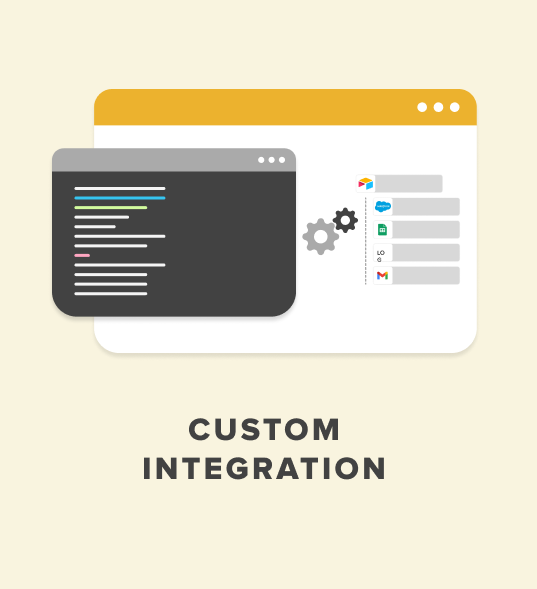
Some integrations require more than standard mappings or out-of-the-box tools can provide. When your NetSuite environment involves financial data, multi-object relationships, conditional rules, or processes that must align tightly with HubSpot, we deliver a fully tailored custom integration built around your business workflows.
Our custom development approach allows us to design integrations that connect directly to your data structure, financial processes, compliance requirements, and reporting needs. This ensures a clean, scalable, and future-ready connection between HubSpot and the NetSuite products used across your organisation.
Integration Options Comparison
Our Approach
What Makes Our Approach Different
- Consulting-Led: we tailor every integration to your NetSuite instance and business needs.
- Future-Proof: built on the latest HubSpot APIs and objects, unlike many packaged tools.
- Delivered by Experts: all consulting, design, and development work is handled by Avidly’s experienced team.
- Cost-Effective: faster to build and maintain than iPaaS solutions, with lower long-term costs.
- Proven Framework: to accelerate development and maintain enterprise-grade reliability, our team builds on a structured internal framework that provides: best-practice SDLC processes, secure hosting, version control, monitoring and alerting and consistent development patterns.
This framework enables rapid setup, stable delivery, and simplified long-term maintenance, while still giving you a fully custom integration tailored to your system architecture and specific HubSpot requirements.
The result: a flexible, reliable integration built to last, delivered by experts who understand both HubSpot and NetSuite inside out.

Hosting, Monitoring & Maintenance
- GCP Logging: We use Google Cloud Platform (GCP) logging for standard monitoring and to track the integration’s overall health. This includes monitoring API activity, transactional record creation (e.g., sales orders and invoices), payment status updates, and scheduled sync behaviour.
- Sentry: Sentry provides in-depth error logging and notifications for specific issues.
- NetSuite Logs: NetSuite provides detailed access and usage logs for each integration token, which can assist with troubleshooting and visibility into API usage patterns. These logs are useful for diagnosing concurrency issues, token expiry, or unexpected API responses.
- HubSpot Visibility: Framework errors are surfaced back into HubSpot through workflow actions or notifications, allowing teams to easily see when a sync has failed or requires review directly within the CRM.
All integration approaches, iPaaS, automation tools, and Integration Glue custom integrations, involve hosting costs. Integration Glue Custom Integration hosting typically starts from USD $99 per month. This can be tailored to your business needs (e.g. static IP addresses, custom network configurations) at an additional cost.
With Integration Glue Custom Integration Hosting, you’re covered for major HubSpot updates as well as generic security and framework improvements.

However, changes to how the integration functions, such as new mappings, transformations, additional transactional flows, or adjustments to your HubSpot or NetSuite configuration, are not included in the hosting fee.
We’ve also seen with iPaaS and automation platforms that platform changes can cause delays, outages, or require configuration workarounds to keep systems running.
To avoid disruption, we recommend a maintenance contract to give you:
- Peace of mind: proactive monitoring and error detection
- Less downtime: quick response to issues before they escalate
- Future-ready integrations: small changes applied as your HubSpot or NetSuite setup evolves
- Continuous improvement: enhancements that keep your integration running smoothly and optimally